Sell Gold Bars in Malaysia: What Buyers Check and Pay
Last updated: 20 November 2026
1How Does Selling a Gold Bar in Malaysia Work?
Quick Answer: Selling a gold bar in Malaysia is a weight-and-purity sale, like selling jewellery but simpler. The buyer reads the stamp, weighs the bar, tests the gold and multiplies the gold content by that day’s buying rate. There is no workmanship to lose, so a bar keeps most of its gold value.
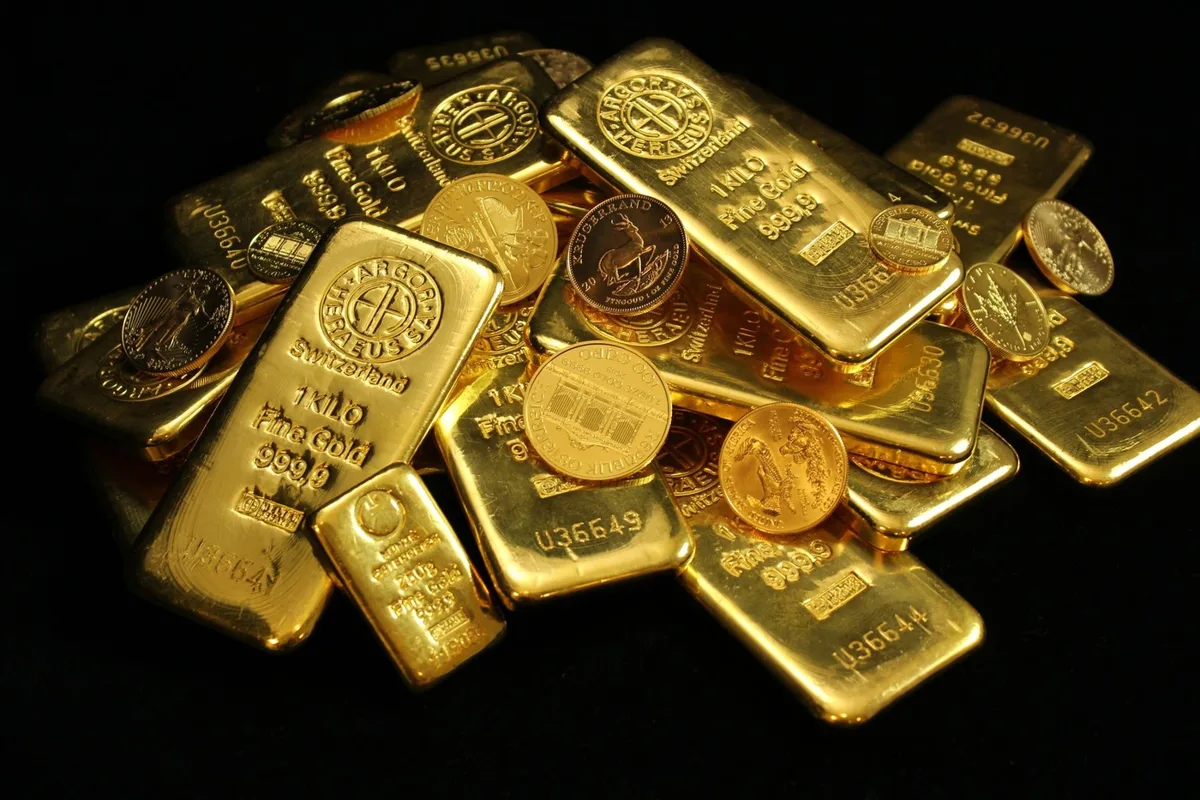
Gold bars are the cleanest thing you can sell to a gold buyer. A bar has no stones, no clasps and no design charge built into it. It is simply a weight of gold at a stated purity, usually 999.9 or 999, stamped on its face.
Still, buyers differ on rates, testing and how they treat small or unbranded bars. This guide explains what buyers check, how the payout is worked out and how to keep the sale fair. If you have not chosen a buyer yet, our list of 8 signs of a trusted gold buyer in Malaysia is a good place to start. You can also browse the gold bars AnyGold sells to see the sizes most people hold.
Holding a bar you want to cash out?
AnyGold weighs gold bars at our Sungei Wang Plaza counter, works out the purity and payout with you, and shows you the sum before you agree. Visit us at Sungei Wang →
Before the checks, this short video from an independent finance channel explains how gold bars are made, priced and resold.
Buying Gold Bars – Everything You Must Know (Beginner’s Guide)
Source video: Sean Foo on YouTube
2What Do Gold Buyers Check on a Gold Bar?
Quick Answer: Gold buyers check five things on a bar: the stamp (refiner, purity and weight), the actual weight on a calibrated scale, the purity by testing, the condition, and any certificate or serial number. If all five agree, the bar is paid at the full rate for its purity.
The five checks on every gold bar
- The stamp. Most bars show the refiner’s mark, the fineness (such as 999.9) and the weight.
- The weight. The bar goes on a calibrated scale in front of you. The reading should match the stamped weight to within a tiny fraction of a gram.
- The purity. A non-destructive test, often an X-ray analyser, confirms the gold content without marking the bar.
- The condition. Scratches are normal. Bends, cuts or drilled holes make a buyer look harder, because they can hide a fake core.
- The paperwork. A certificate or assay card with a matching serial number speeds things up, though it is not always required.
Large refiners are listed on the LBMA Good Delivery list, the London market’s register of accredited gold refiners. A bar from a listed refiner is easy to identify, but it is still weighed and tested. Fakes copy famous stamps, so a good buyer trusts the scale and the analyser over the logo. Our guide on how to know if your gold is fake covers the warning signs in more detail.
3How Much Is a Gold Bar Worth by Size?
Quick Answer: A gold bar is worth its weight times its purity times the day’s rate. A 100 g bar of 999.9 gold holds 99.99 g of pure gold, so at an example rate of RM 500 per gram its gold value is about RM 49,995. Real buying rates sit slightly below this.
The chart uses a made-up pure gold value of RM 500 per gram, not today’s price, to show how bar size drives value. Every common bar in Malaysia is 999.9, so purity barely changes the sum. Weight does all the work.
| Bar size | Pure gold content | Gold value before margin |
|---|---|---|
| 1 g | 1.00 g | RM 500 |
| 5 g | 5.00 g | RM 2,500 |
| 10 g | 10.00 g | RM 5,000 |
| 20 g | 20.00 g | RM 9,999 |
| 1 oz (31.1 g) | 31.10 g | RM 15,550 |
| 50 g | 49.99 g | RM 24,998 |
| 100 g | 99.99 g | RM 49,995 |
Illustrative calculation by AnyGold: weight × 0.9999 × RM 500/g, 2026. Licence.
The same sum scales to larger bars. A 500 g bar holds about RM 249,975 of gold at this example rate, and a 1 kg bar about RM 499,950. If you hold 999 rather than 999.9 bars, the difference is one gram in every ten thousand, which is too small to matter. Our guide to 916 vs 999 gold purities explains how fineness numbers work.
4How Is the Payout for a Gold Bar Worked Out?
Quick Answer: The payout for a gold bar is its tested weight times the buyer’s rate for its purity on the day. At AnyGold there is no separate commission, so the figure you are quoted is the figure you are paid. Always ask for the rate, the weight and the total in writing before you accept.
Gold rates move through the day with world prices and the ringgit. That is why a buyer quotes a live rate and not a fixed price list. The sum itself is short:
- Tested weight in grams, read from a calibrated scale.
- Purity, usually 999.9 for bars, confirmed by testing.
- Buying rate for that purity at the time of sale, which you can get from AnyGold on the day.
Multiply them and you have your payout. Payment is in cash or by instant bank transfer, and you will need your IC, passport or valid ID, because checking ID for every sale is standard practice. Coins work the same way, with a few extra checks for collectible pieces, as our guide to selling gold coins in Malaysia explains.
5Why Do Small Gold Bars Lose More When You Sell?
Quick Answer: Small gold bars lose more per gram because making a 1 g bar costs almost as much as making a 100 g bar. That fixed cost is added to the buying price, but a gold buyer pays for gold content only. So the premium you paid on a small bar does not come back when you sell.
The chart models this effect. The blue bar is an example premium over gold value when the bar was bought new. The amber bar is an example buyer margin when you sell. Together they show the gap the gold price has to cover before you break even. These are illustrative figures, not AnyGold’s prices.
| Bar size | Premium paid when new | Buyer margin when sold | Total gap to recover |
|---|---|---|---|
| 1 g | 8.0% | 1.5% | 9.5% |
| 5 g | 5.0% | 1.5% | 6.5% |
| 10 g | 4.0% | 1.5% | 5.5% |
| 50 g | 2.5% | 1.5% | 4.0% |
| 100 g | 2.0% | 1.5% | 3.5% |
| 1 kg | 1.0% | 1.5% | 2.5% |
Illustrative model by AnyGold, 2026: example premiums and a flat 1.5% buyer margin, not quoted prices. Licence.
Small bars are still easy to afford and to sell in parts. But if you are deciding which bars to sell first, the larger bars return the most of what you paid.
Want a written quote for your bars?
Bring them to LG.142 Sungei Wang Plaza and we will note the weight, purity and rate for each bar before you decide. Plan your visit to sell your gold bars →
6Does the Certificate or Packaging Change the Price?
Quick Answer: A certificate or sealed card rarely changes the gold price of a bar, but it can make the sale faster. Buyers pay for tested gold content. A missing card or opened seal usually still gets full gold value, while unmarked or damaged bars are tested more carefully first.
The table shows how most buyers treat common bar conditions. Ask about your own bar before you sell.
| Bar condition | Usual handling | Usual effect on payout |
|---|---|---|
| Sealed in original card, certificate kept | Weighed and tested, card can stay sealed if the reading is clear | Full gold value at the day’s rate |
| Card opened or certificate lost | Bar is weighed and tested on its own | Usually still full gold value |
| Light scratches or handling marks | Treated as normal wear on a bar | Usually no effect |
| Bent, cut or damaged bar | Tested and paid as gold by weight | Gold value, though a dealer may not resell it as a bar |
| No refiner stamp or unknown maker | Purity tested first, often with an X-ray analyser | Paid on the tested purity, not the claimed one |
| Gold-plated or filled “bar” | Fails testing | Not bought as gold |
AnyGold summary of common buying practice, 2026. Licence.
Keep the certificate with the bar and bring it along. If your bar has no stamp at all, expect a purity test first and a price based on what the test shows. The AnyGold FAQ covers what happens when an item cannot be confirmed as gold.
7How Does the Gold Rate Change What Your Bar Is Worth?
Quick Answer: Your bar’s value moves with the gold rate, gram for gram. For a 100 g bar, every RM 1 change in the per-gram rate moves the gold value by about RM 100. A RM 25 move per gram changes it by roughly RM 2,500, which is why timing and a live quote matter.
The scenario table shows the gold value of one 100 g bar of 999.9 at five example rates. None of these is a forecast or today’s price.
| Example rate per gram | Gold value of 100 g bar | Change vs RM 500 |
|---|---|---|
| RM 450 | RM 44,996 | −RM 5,000 |
| RM 475 | RM 47,495 | −RM 2,500 |
| RM 500 | RM 49,995 | Baseline |
| RM 525 | RM 52,495 | +RM 2,500 |
| RM 550 | RM 54,994 | +RM 5,000 |
Illustrative scenarios by AnyGold: 100 g × 0.9999 × rate, 2026. Licence.
Because larger bars magnify every move, many owners watch the rate for a few days before selling. A rate seen online is not a buying quote, so call or visit AnyGold for the live figure on the day you plan to sell.
8Should You Sell Gold Bars or Keep Them?
Quick Answer: Sell gold bars when you need the cash or today’s live rate gives you a price you are happy with. Keep them if you are holding for the long term. Many owners sell part of their holding, starting with the bars that lost the least premium, and keep the rest.
These situations come up most often at the counter:
- You need cash quickly. A bar is one of the fastest things to turn into money, since there is little to deduct.
- The rate has risen a lot since you bought. Selling part of the holding turns some of that gain into cash.
- You want to rebalance. Some owners sell one large bar and buy smaller ones, which are easier to sell in parts later.
- You inherited bars you do not want to store. Selling removes the worry of keeping them safe at home.
If you sell to buy something else in gold, compare the total cost of the swap first. You can see the sizes on the AnyGold gold bars page and ask for both quotes on the same visit.
9How to Sell a Gold Bar in Malaysia: 6 Steps
Quick Answer: To sell a gold bar in Malaysia, check its stamp and weight, find the certificate, check the live rate, plan your visit, bring your IC, passport or valid ID, then watch the weighing and see the purity result before accepting a written total. Most bar sales take a short visit when you arrive prepared.
How to sell a gold bar in six steps
Follow these steps for one bar or several.
- Read the stamp. Note the refiner, fineness, weight and any serial number on each bar.
- Find the certificate. Put the bar’s assay card or certificate with it, if you have one.
- Work out a rough value. Multiply the stamped weight by the live rate so you know what to expect.
- Plan your visit. Note the shop’s address and bring every bar you want quoted, so it all happens in one trip.
- Bring your ID. Take your IC, passport or valid ID. Gold buyers check ID for every sale, so the sale cannot go ahead without it.
- Watch, check and get paid. See the weighing, have the purity result explained, agree the written total, then take cash or an instant transfer.
Selling jewellery on the same trip? Sort it separately, because jewellery is valued on net gold weight after stones and parts are removed. Our step-by-step guide to selling gold jewellery explains the extra checks.
10Mistakes to Avoid When Selling Gold Bars
Quick Answer: The common mistakes when selling gold bars are accepting a quote without seeing the weight, relying on an old rate, selling small bars first without checking the gap, and leaving the certificate at home. Each one costs time or money and is easy to avoid.
- Not watching the scale. Ask to see the reading for each bar. A clear buyer weighs in front of you.
- Using yesterday’s rate. Rates change through the day. Ask for the rate and the time it was set.
- Mixing bars and jewellery in one figure. Ask for a separate line for each item so you can check every sum.
- Forgetting your ID. Without your IC, passport or valid ID, the sale cannot be completed and you will need a second trip.
- Selling to an unknown buyer. Choose a shop with a fixed address, open testing and written quotes.
11Conclusion: Know the Weight, See the Purity, Check the Rate
To sell gold bars in Malaysia with confidence, remember the buyer’s sum: tested weight times purity times the day’s rate. Bring your IC, passport or valid ID and certificate, watch the weighing, see the purity result, and get the total in writing before you accept.
Bars keep more of their value than jewellery, and larger bars keep the most. If you also have coins or jewellery to sell, read our guides to what gold coin buyers pay and selling gold jewellery in Malaysia before your visit.
12Frequently Asked Questions
1. Can I sell a gold bar without its certificate in Malaysia?
Yes. Most gold buyers accept bars without a certificate because they weigh and test the gold themselves. The certificate helps confirm the bar quickly, so bring it if you have it, but a tested 999.9 bar is still paid at the full rate for its purity.
2. How much will I get for a 100 g gold bar?
Multiply 100 g by the bar’s purity and the buyer’s rate on the day. For a 999.9 bar, that is about 99.99 g of pure gold. Rates change daily, so ask AnyGold for the live rate on the day you sell rather than relying on an old figure.
3. Do I need my IC to sell gold bars?
Yes. Gold buyers check ID for every sale as standard practice, so bring your IC, passport or valid ID. The buyer records your details as part of the sale.
4. Will the buyer cut or damage my gold bar during testing?
Not usually. Bars are normally tested with non-destructive methods such as an X-ray analyser, so the bar stays intact. Ask which test will be used before it starts if you are unsure.
5. Can I sell a gold bar I bought from another shop?
Yes. A gold buyer pays for the tested gold content, not where the bar was bought. Bars from any refiner can be sold, as long as the weight and purity check out.
Ready to sell your gold bars in KL?
Visit AnyGold at LG.142 Sungei Wang Plaza, Bukit Bintang. We buy gold bars, coins and jewellery of every purity from 999.9 to 375, weigh your gold in front of you, explain the purity result and pay you the same day.
Contact AnyGold today →