Sell Gold Coins in Malaysia: What Buyers Pay and Why
Last updated: 20 November 2026
1How Does Selling Gold Coins in Malaysia Work?
Quick Answer: Selling gold coins in Malaysia works like selling any gold by weight. The buyer reads the coin, weighs it, tests the purity and pays for the pure gold it contains at that day’s buying rate. A coin’s face value, box or design rarely adds to the sum unless a collector wants it.
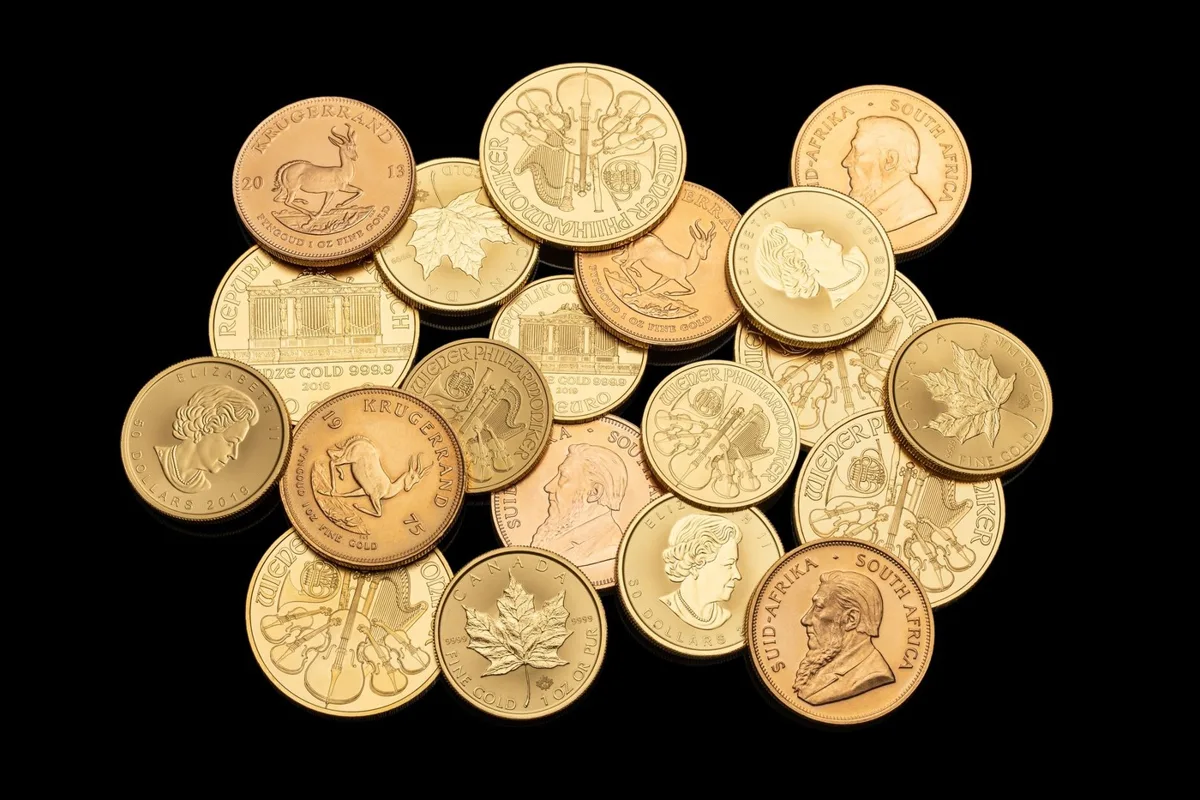
Gold coins sit somewhere between jewellery and bars. Like a bar, a bullion coin is a known weight of gold at a stated purity, with no stones or clasps to remove. Unlike a bar, coins come in many purities, sizes and finishes, and some are sold as collectibles at prices far above their gold value.
That mix is why two people selling “one gold coin” can walk out with very different sums. This guide explains what buyers actually pay for, why the figure is often lower than what you paid, and how to sell without leaving money on the counter. If you are still choosing where to go, start with our checklist of 8 signs of a trusted gold buyer in Malaysia.
Have a few coins to cash out?
AnyGold weighs every coin at our Sungei Wang Plaza counter, explains its purity result and lists each one on your quote. Visit us at Sungei Wang →
Before the numbers, this video from an independent bullion channel walks through how gold coins are bought, priced and sold back.
Buying and Selling Gold Coins – Everything Else You Need to Know
Source video: 2 is 1 on YouTube
2What Do Gold Buyers Pay for Gold Coins?
Quick Answer: Gold buyers pay for a coin’s pure gold content, not its face value. A one-ounce coin holds about 31.1 g of pure gold whether it is 999.9 or 916, so both are worth the same in gold. At an example rate of RM 500 per gram, that is about RM 15,550 before the buyer’s margin.
The table shows the pure gold in common coin sizes. It uses a made-up rate of RM 500 per gram of pure gold, not today’s price, so you can see how size and purity work together. Bank Negara’s own Kijang Emas gold bullion coin was issued in 1 oz, ½ oz and ¼ oz sizes at 999.9 purity, so these are sizes many Malaysian families already hold.
| Coin | Coin weight | Pure gold | Gold value at RM 500/g |
|---|---|---|---|
| 1/10 oz coin, 999.9 | 3.11 g | 3.11 g | RM 1,555 |
| 1/4 oz coin, 999.9 | 7.78 g | 7.78 g | RM 3,890 |
| 1/2 oz coin, 999.9 | 15.55 g | 15.55 g | RM 7,774 |
| 1 oz coin, 999.9 | 31.10 g | 31.10 g | RM 15,548 |
| 1 oz-fine coin, 916 (22K) | 33.93 g | 31.10 g | RM 15,552 |
| 8 g coin, 916 (22K) | 8.00 g | 7.33 g | RM 3,667 |
Illustrative calculation by AnyGold: coin weight × purity × RM 500/g, 2026. Licence.
Notice the two one-ounce rows. A 22-karat (916) coin is made heavier so that it still holds a full ounce of pure gold, which means it is worth the same as a 999.9 coin. Sellers often expect less for a 916 coin because the number looks lower. Our guide to 916 vs 999 gold purities explains why the pure gold content, not the purity number alone, sets the price.
3Why Do Buyers Pay Less Than You Paid for the Coin?
Quick Answer: Buyers pay less than you paid because a new coin’s price includes minting, distribution and dealer costs on top of the gold. When you sell, a gold buyer pays for the gold only, minus a small margin. The smaller the coin, the bigger that premium was, so the bigger the gap to recover.
The chart models the gap for coins of different sizes. The blue bar is an example premium over gold value when the coin was bought new. The amber bar is an example buyer margin when it is sold. These are illustrative figures, not AnyGold’s prices or any seller’s list price.
| Coin type | Premium paid when new | Buyer margin when sold | Total gap to recover |
|---|---|---|---|
| 1/10 oz bullion coin | 9.0% | 1.5% | 10.5% |
| 1/4 oz bullion coin | 6.0% | 1.5% | 7.5% |
| 1/2 oz bullion coin | 4.5% | 1.5% | 6.0% |
| 1 oz bullion coin | 3.5% | 1.5% | 5.0% |
| 1 oz proof or boxed collector coin | 15.0% | 1.5% | 16.5% |
Illustrative model by AnyGold, 2026: example premiums and a flat 1.5% buyer margin, not quoted prices. Licence.
The gold price can close this gap over time, which is why coins bought years ago often sell for more than they cost. For coins bought recently, the gap is the main reason the offer feels low. It is not a sign the buyer is cheating you, as long as you can see the weight, the purity and the rate used.
4Are Bullion Coins and Collector Coins Valued Differently?
Quick Answer: Yes. Bullion coins are valued on gold content and sell close to the gold rate. Collector, proof and commemorative coins are usually bought by gold buyers at gold value too, even if they cost more new. Only a specialist coin collector may pay extra for rarity, condition or a limited mintage.
Most coins brought to a gold counter fall into one of these groups. The table shows how each is usually handled.
| Coin kind | Usual handling | Usual effect on payout |
|---|---|---|
| Bullion coin, 999.9 (e.g. Kijang Emas) | Weighed and tested, card or capsule can stay on if the reading is clear | Gold value at the day’s rate |
| Bullion coin, 916 (22K) | Weighed and tested for its alloy | Gold value on its pure gold content |
| Proof or boxed commemorative coin | Paid as gold unless a collector wants it | Gold value; box and certificate add little |
| Old or foreign gold coin | Purity tested first, since old coins vary | Paid on the tested purity |
| Coloured, enamelled or plated coin | Plating and enamel checked; gold-plated pieces are not gold | Gold value only if solid gold |
| Coin set in a pendant or bezel | Mount and loop separated or deducted | Net gold weight of each part |
AnyGold summary of common buying practice, 2026. Licence.
If you believe a coin is rare, get it looked at by a coin specialist before you sell it as gold. For everything else, the tested gold is the price. Gold-plated “coins” from souvenir shops are common, and our guide on how to know if your gold is fake covers the warning signs to check at home.
Not sure what your coins are worth?
Bring them in and we will test each coin, note its pure gold content and show you the rate before you decide. Plan your visit to sell your gold coins →
5How Is the Payout Worked Out for Several Coins?
Quick Answer: For several coins, the buyer weighs and tests each one, works out its pure gold, and adds the lines together at the day’s rate. A good quote lists every coin on its own line, so you can check each sum. Mixed purities are fine, since each coin is priced on its own gold content.
| Item | Tested weight | Purity | Pure gold | Value at RM 500/g (share) |
|---|---|---|---|---|
| 1 oz bullion coin | 31.10 g | 999.9 | 31.10 g | RM 15,548 (62%) |
| 1/4 oz bullion coin | 7.78 g | 999.9 | 7.78 g | RM 3,890 (16%) |
| 8 g coin, 22K | 8.00 g | 916 | 7.33 g | RM 3,667 (15%) |
| Coin pendant, net gold after loop removed | 4.20 g | 916 | 3.85 g | RM 1,925 (8%) |
| Total | 51.08 g | Mixed | 50.06 g | RM 25,030 |
Illustrative worked example by AnyGold: tested weight × purity × RM 500/g, before buyer margin, 2026. Licence.
In this example, the one-ounce coin makes up most of the total. That is typical: one large coin usually outweighs a handful of small ones. The coin pendant is priced on net gold after the loop is taken off, the same way gold jewellery is valued when you sell it.
Payment is in cash or by instant bank transfer. Gold buyers check ID for every sale as standard practice, so bring your IC, passport or valid ID.
6Does a Scratched, Bent or Loose Coin Get Less?
Quick Answer: A scratched, worn or bent gold coin is normally still paid at full gold value, because the gold is still there. Condition matters to collectors, not to gold buyers. Only plated coins, coins with base-metal cores or heavy repairs lose value, since the buyer pays for tested gold only.
Many coins come out of drawers, purses or old jewellery boxes with marks on them. Here is how condition usually plays out at a gold counter:
- Scratches and wear. Normal for a coin that has been handled. They do not change the gold weight in any way that matters.
- Bent or dented coins. Paid as gold by weight. A dealer may not resell it as a coin, but the gold is the same.
- Coins out of their capsule. Tested on their own and paid on gold content, like a sealed coin.
- Holed or soldered coins. Solder and repairs are lower-purity metal, so the buyer may test those spots separately.
Damaged coins follow the same logic as other damaged gold. Our guide on selling broken gold in Malaysia explains why a snapped chain or bent ring still has full gold value.
7Should You Sell Gold Coins or Gold Bars First?
Quick Answer: If you hold both, sell the pieces that lost the least premium first, which is usually large bars and large bullion coins. Small coins and proof coins cost more over gold value when new, so selling them later gives the gold rate more time to cover that gap.
Coins and bars are valued the same way at a gold counter, by tested weight and purity. The difference is in what you paid. A large bar has the lowest premium of all, and our guide to selling gold bars in Malaysia shows how that gap shrinks as bars get heavier.
- Need a set amount of cash? Sell one large coin or bar instead of many small ones. It is faster and loses less.
- Holding small coins as gifts? Keep them if they mean something to the family. Their premium makes them the weakest pieces to sell.
- Swapping coins for bars? Ask for both quotes on the same visit. You can browse the gold bars AnyGold sells to compare sizes.
8How to Sell Gold Coins in Malaysia: 6 Steps
Quick Answer: To sell gold coins in Malaysia, sort them by type, note each coin’s weight and purity, check the live rate, plan your visit, bring your IC, passport or valid ID, then watch each coin being weighed and see its purity result before you accept an itemised written total. Prepared sellers usually finish in one short visit.
How to sell gold coins in six steps
Follow these steps whether you have one coin or a full set.
- Sort your coins. Put bullion coins, proof or boxed coins and coin jewellery in separate groups.
- Note weight and purity. Read what is stamped on each coin or its card, such as 1 oz and 999.9.
- Check the live rate. Ask the buyer for the day’s rate so you can work out a rough total yourself.
- Plan your visit. Note the shop’s address and bring every coin you want quoted, so it all happens in one trip.
- Bring your ID. Take your IC, passport or valid ID. Gold buyers check ID for every sale, so the sale cannot go ahead without it.
- Watch, check and get paid. See each coin weighed, have its purity result explained, agree the itemised total, then take cash or an instant transfer.
The process matches selling any other gold. You can also read the AnyGold FAQ for what to expect at the counter.
9Mistakes to Avoid When Selling Gold Coins
Quick Answer: The usual mistakes when selling gold coins are judging the offer by face value or the price you paid, accepting a single lump-sum quote for many coins, cleaning coins before selling, and forgetting your ID. Each one costs money or a second trip, and all are easy to avoid.
- Comparing the offer to your purchase price. Compare it to the gold content at the day’s rate instead. That is what the buyer is paying for.
- Accepting one total for a bag of coins. Ask for each coin on its own line, with weight, purity and value.
- Selling a rare coin as scrap. If a coin is old, unusual or low-mintage, have a specialist look at it first.
- Cleaning or polishing coins. It adds nothing to the gold price and can ruin collector value.
- Choosing a buyer with no fixed address. Use a shop that weighs in front of you, explains the purity result and gives written quotes, such as AnyGold in Sungei Wang Plaza.
10Conclusion: Gold Content Sets the Price
To sell gold coins in Malaysia for a fair price, remember the buyer’s sum: tested weight × purity × the day’s rate. A 916 coin and a 999.9 coin with the same pure gold are worth the same, while proof coins and small coins lose more of what you paid new.
Sort your coins, bring your IC, passport or valid ID, watch the weighing, see the purity result and ask for an itemised quote. If you are selling bars or jewellery on the same trip, our guides to what gold bar buyers check and pay and selling gold jewellery step by step will help you prepare.
11Frequently Asked Questions
1. Can I sell gold coins without the box or certificate in Malaysia?
Yes. Gold buyers weigh and test the coin itself, so a missing box, capsule or certificate usually makes no difference to the gold price. Bring the paperwork if you have it, because it can speed up the check.
2. Is a 916 gold coin worth less than a 999.9 coin?
Not if it holds the same pure gold. A one-ounce 22-karat coin is made heavier so that it contains a full ounce of pure gold, so it is worth about the same as a one-ounce 999.9 coin at the day’s rate.
3. Will I get the face value printed on the coin?
No. The face value on a gold bullion coin is far below its gold value. Buyers pay for the pure gold content at the day’s rate, which is usually many times the face value.
4. Do I need my IC to sell gold coins?
Yes. Gold buyers check ID for every sale as standard practice, so bring your IC, passport or valid ID.
5. Can I sell gold coins bought from another shop or overseas?
Yes. A gold buyer pays for tested gold content, not where the coin was bought. Foreign and old coins are tested for purity first, then paid on what the test shows.
Ready to sell your gold coins in KL?
Visit AnyGold at LG.142 Sungei Wang Plaza, Bukit Bintang. We buy gold coins, bars and jewellery of every purity from 999.9 to 375, weigh your gold in front of you, explain the purity result and pay you the same day.
Contact AnyGold today →