
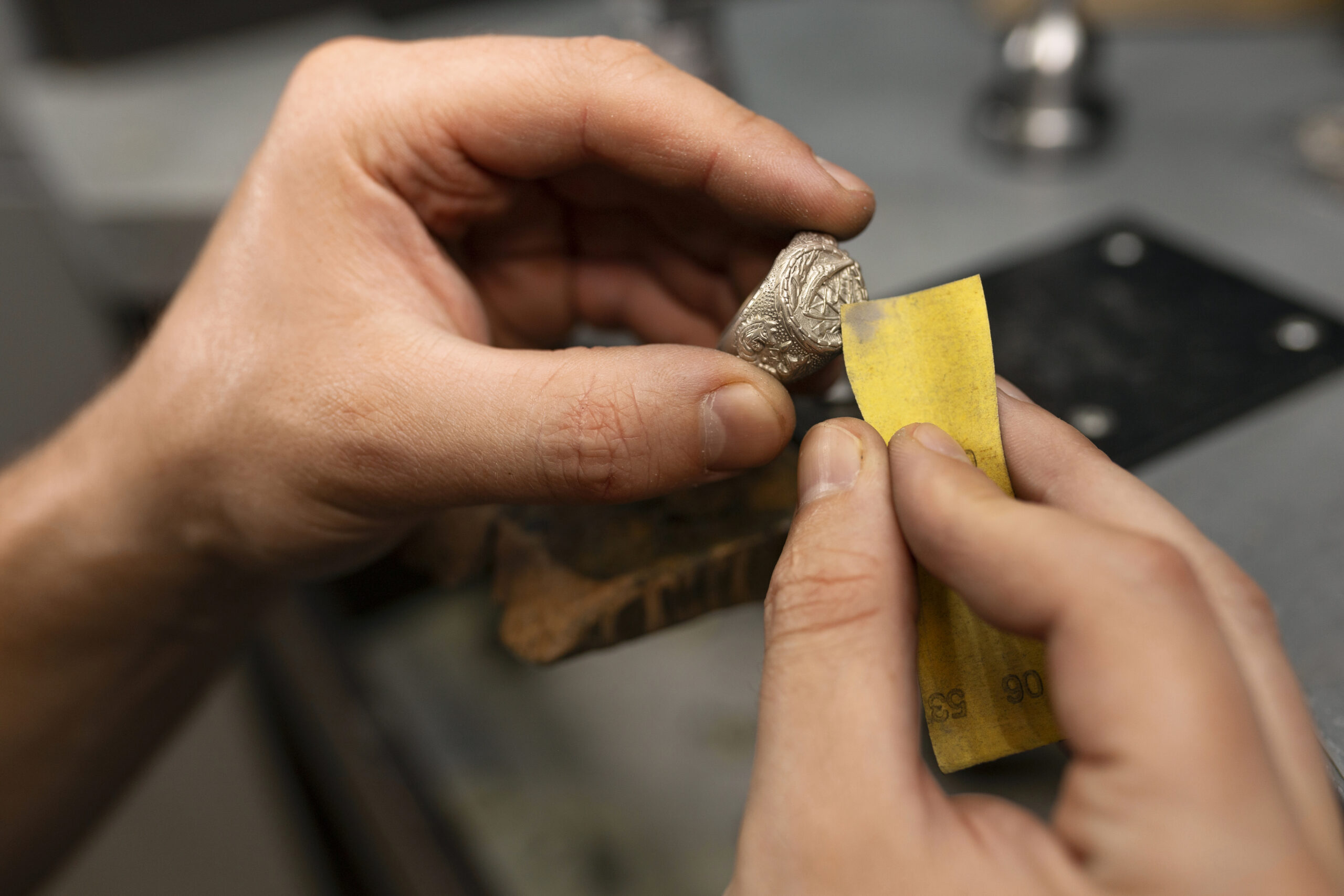
Found an old gold necklace in your drawer? Inherited some jewelry from the family? Wondering if that gold bracelet that was handed down to you real? Many people own gold but have no idea whether it’s genuine, plated, or completely fake.
Determining whether your gold is real or not at home is very simple. A real 30 gram 916 gold necklace is worth over RM12,000. A gold-plated version that looks identical? Maybe only RM50.
That’s a RM 11,950 difference you can’t afford to guess wrong on.
This guide covers practical testing methods you can perform at home, along with some professional methods done by gold buyers, so you can have absolute certainty on selling accordingly with the current gold prices.
10 Methods to Test Gold Authenticity
#1 Visual Inspection: Check for Hallmark Verification
Real gold almost always has a tiny stamp somewhere on the piece whereby they indicate the purity
Where to find hallmarks:
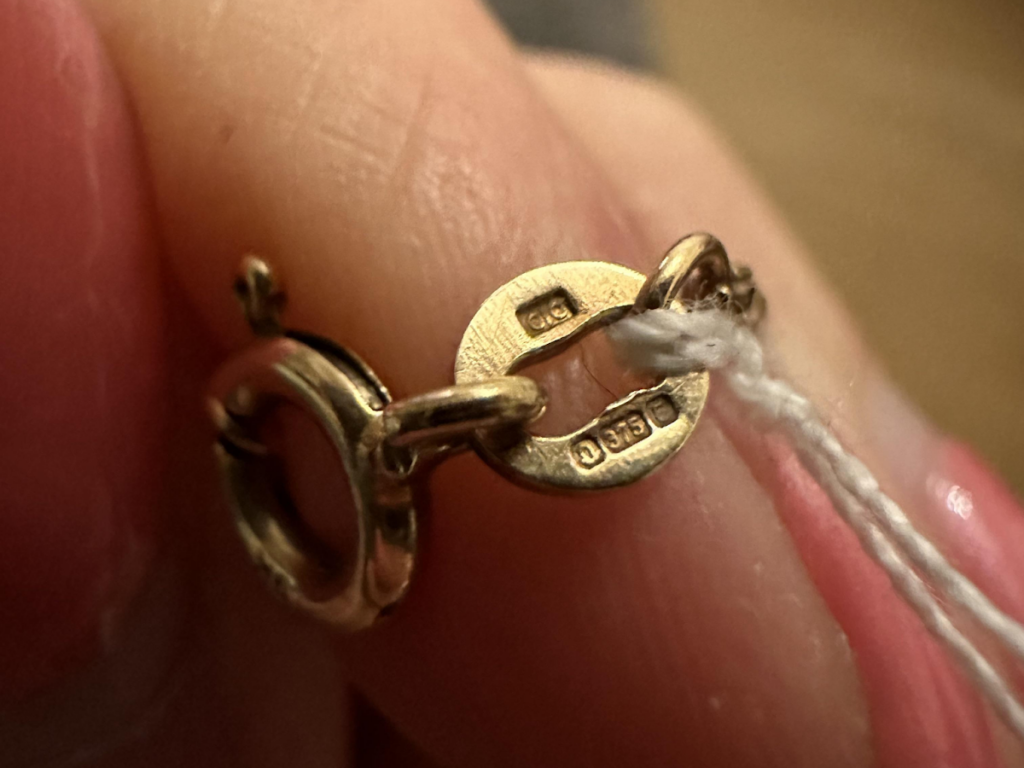 Necklaces: Inside the clasp | 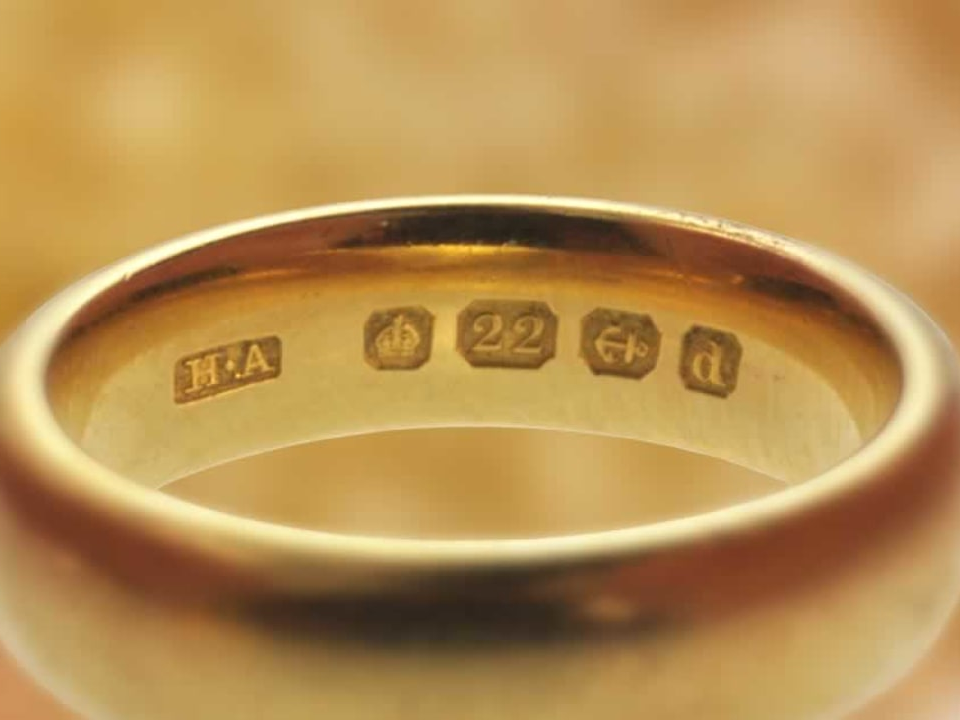 Rings: Inside the band | 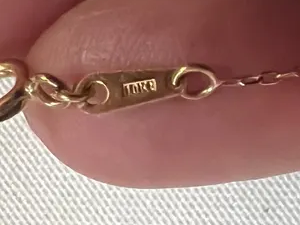 Bracelets: Near the clasp or on a small tag |
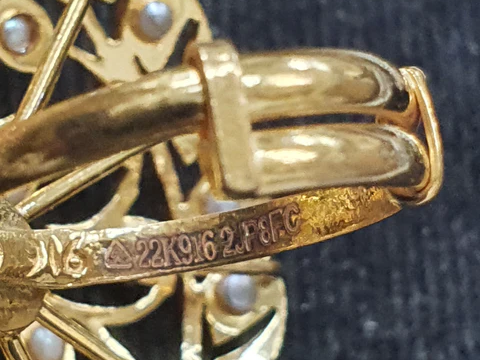 Earrings: On the post or back | 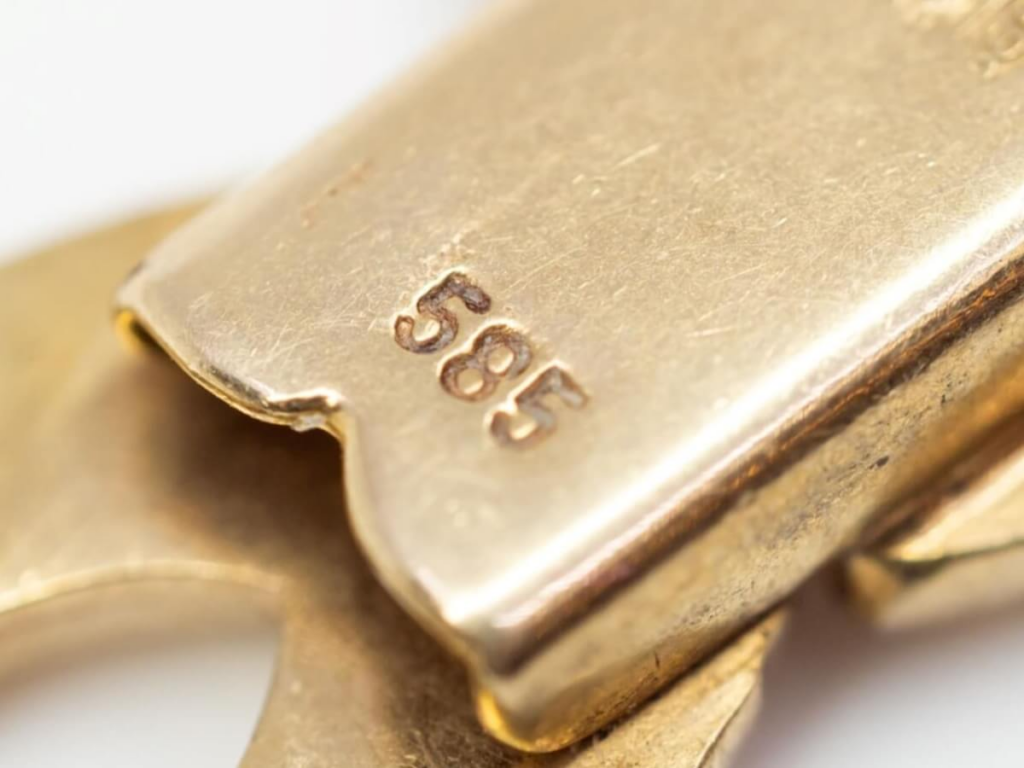 Pendants: Back side or clasp |
Common purity stamps:
999 or 24K = 99.9% pure gold
916 or 22K = 91.6% pure gold (most common in Malaysia)
750 or 18K = 75% pure gold
585 or 14K = 58.5% pure gold
375 or 9K = 37.5% pure gold
#2 The Magnet Test
This is probably the easiest way to test gold right now since it requires minimal equipment and takes about ten seconds. Real gold has zero magnetic properties because of its atomic structure, which means it won’t respond to magnetic fields at all.
You’ll need a strong neodymium magnet (you can get it for RM10 online), as they are more powerful than fridge magnets to give reliable results. Hold the magnet close to your gold piece and watch what happens when you bring them within a centimeter or two of each other.
If the gold shows no attraction to the magnet whatsoever, that’s a good sign worth investigating further. If it sticks to the magnet or shows any magnetic pull, it’s definitely not pure gold since the piece contains iron, nickel, or other magnetic metals mixed in.
#3 Weight Test
Gold is heavy and incredibly dense. It feels heavier than you’d expect even for a small size.
Try holding your gold piece in one hand and pick up something similar in size with the other hand, like a steel ring or aluminum bracelet. The real gold should feel noticeably heavier, more substantial. Real gold has a density of 19.3 grams per cubic centimeter and most fake metals can’t replicate that weight.
If your supposed gold feels light or somehow hollow, you’re probably holding plated metal or brass. If you’ve never held real gold before, perhaps you won’t have a good reference point for comparison but once you’ve handled an authentic piece, the weight difference will be very obvious.
#4 Skin Reactions
If you’ve been wearing your jewellery piece for awhile now and have been experiencing weird reactions to your skin high chances that it might not be real gold.
- Green marks on your skin tend to mean you’re wearing copper or brass, not gold.
- Black marks on the other hand indicate low-quality alloy metals.
- Rashes or irritation often point to nickel content in the metal.
Pure gold at 999 or 916 purity doesn’t react with skin at all. If you’re seeing discolouration, you’re dealing with either fake gold or lower-purity gold that contains reactive metals which are not suited for your skin.
Lower purity doesn’t automatically mean worthless though, just less valuable than higher karats.
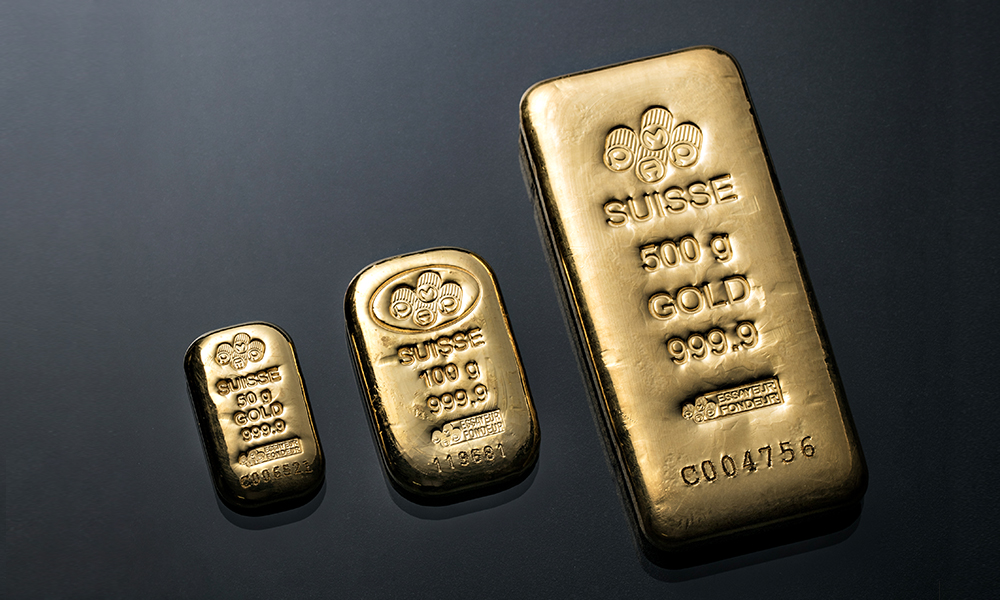
Want to learn more about Gold Purities?
#5 The Float Test
This simple test checks whether your gold has the right density for authentic gold by using basic physics principles. Fill a cup or bowl with regular tap water, then drop your gold piece gently into the water and watch carefully what happens in the first second or two.
Real gold sinks immediately to the bottom because the high density of gold makes it drop fast through water with barely any hesitation. If the piece floats on the surface or sinks slowly while drifting down, it’s probably not solid gold since lighter metals don’t have the same density.
Gold has a density of 19.3 grams per cubic centimeter is extremely high compared to most metals, which is why even small gold pieces will sink immediately. Most metals used to fake gold are significantly lighter and won’t sink as quickly, making this a good preliminary test.
Tungsten has nearly identical density to gold and will also sink fast, but tungsten jewelry is incredibly rare in the consumer market. You’ll almost never encounter it in regular jewelry pieces and only potentially in fake gold bars from sketchy dealers, so usually this might not be a practical concern for most testing situations.
Home Testing Methods That Go Deeper
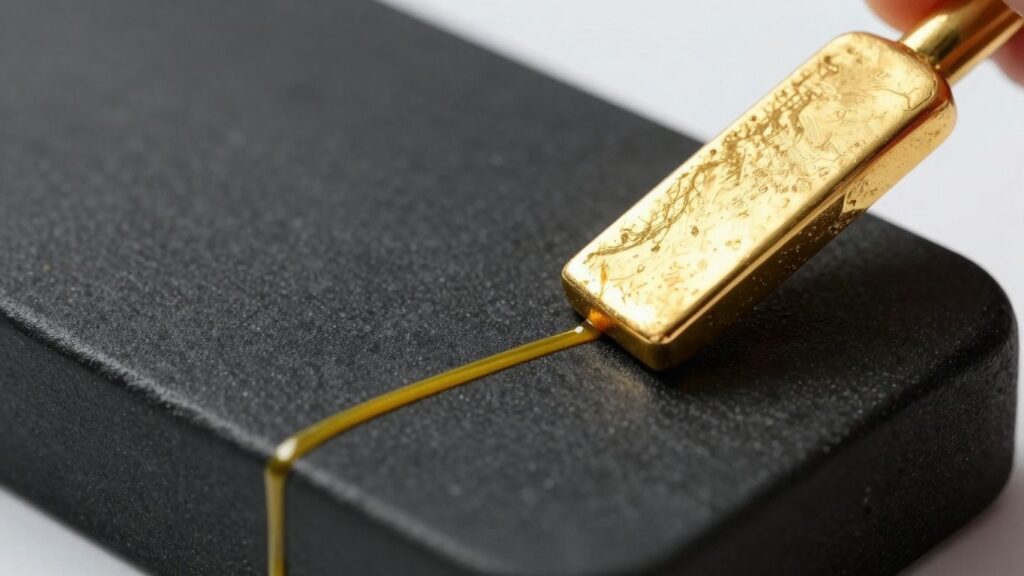
#6 Ceramic Scratch Test
This is one of the most popular ways to test gold at home among jewelry enthusiasts, though it will leave a small mark on your piece, so think carefully before using it on sentimental jewelry you can’t risk damaging.
Grab an unglazed ceramic tile from a hardware store, making sure you get the matte kind rather than shiny glazed tiles that won’t work properly. Take your gold item and drag it firmly across the ceramic surface using enough pressure to leave a visible streak, similar to drawing with a crayon.
A gold-colored streak means you probably have real gold since the color intensity indicates purity levels. The richer and more golden the color appears, the higher the purity, while a black or dark streak indicates fake metal and no visible streak at all is inconclusive.
Remember that this creates a permanent scratch on your jewelry that you can’t undo, so save this test for after you’ve tried everything else.
#7 The Vinegar Test
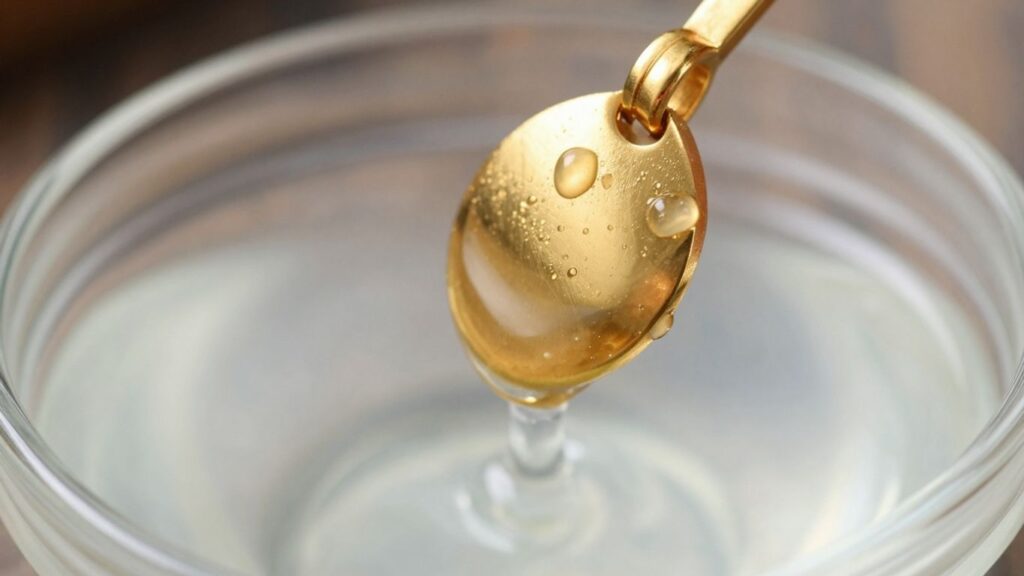
White vinegar makes an effective chemical test for gold that you probably already have sitting in your kitchen pantry right now. Place your gold item in a glass bowl or cup, then pour enough white vinegar to cover the piece completely and let it sit undisturbed for 10 to 15 minutes before removing it.
Rinse the piece with clean water and examine it closely under good lighting for any changes. No change in color or appearance means you likely have real gold, while color changes, tarnishing, or visible bubbling during the soaking indicates the piece isn’t pure gold.
Pure gold won’t react with mild acids like vinegar because gold is one of the least reactive elements on the periodic table. Base metals such as copper and brass will tarnish or show chemical reactions when exposed to acidic solutions, which makes this test surprisingly reliable for initial screening.
Professional Testing That Gives Definitive Answers
Home tests work great for initial screening and ruling out obvious fakes, but professional testing removes all doubt. Here are some methods that gold buyers used to give you exact numbers you can use for insurance or selling decisions.
#8 X-Ray Fluorescence Testing
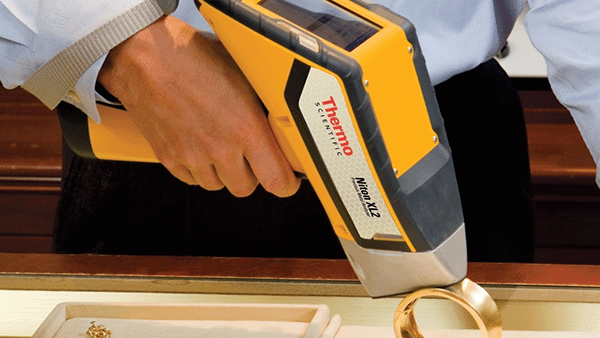
XRF machines represent the gold standard for testing gold authenticity in the modern jewelry industry. These sophisticated devices shoot X-rays at your gold piece, causing the gold atoms to react by emitting a unique signature that’s different from every other element. The machine reads that signature in real-time and calculates precise purity down to decimal points, giving you results like 916.4 instead of just “around 916.”
The entire process takes just two to three seconds from placing your item in the machine to getting complete results. Testing is 99% accurate or better, completely non-destructive with zero damage to your jewelry, and can detect gold hidden under thick plating by reading through the surface layer. You can test the exact spot you’re concerned about rather than making assumptions based on a different area.
GET IN TOUCH
Schedule a Visit
#9 Acid Testing
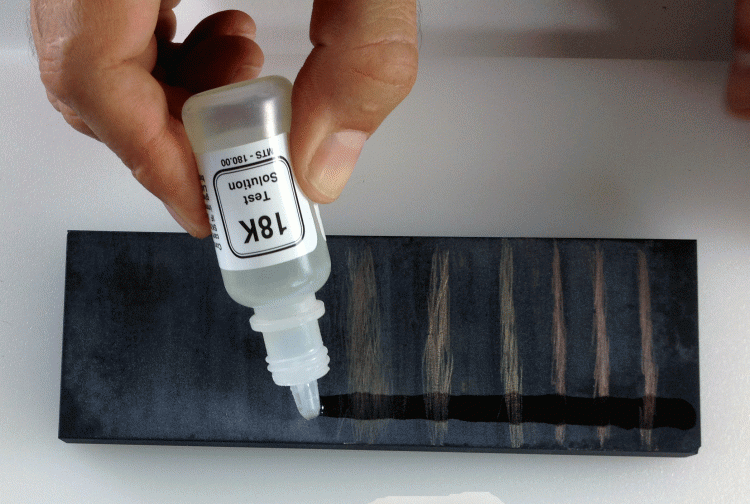
Jewelers and pawn shops have used acid testing for decades as their primary authentication method before XRF technology became widely available. A small scratch gets made on your gold piece in an inconspicuous spot, then different strength acids are carefully applied to that scratch to observe the chemical reaction.
Pure gold shows no reaction to nitric acid because gold doesn’t dissolve in single acids. Lower purity gold demonstrates some dissolution or color change based on what other metals are in the alloy, while fake gold produces a strong reaction with fizzing and dramatic color shifts as the acid eats through the base metal.
The test is accurate when performed correctly by someone with experience and takes just two to three minutes from start to finish. The equipment is inexpensive, which is why small shops still use this method regularly.
The downside is that acid testing leaves a permanent scratch on your item that you can’t repair or hide afterward. It requires significant experience to interpret results accurately since different alloys react differently, and you’re working with corrosive chemicals that need proper safety precautions like gloves and eye protection.
#10 Electronic Gold Testers
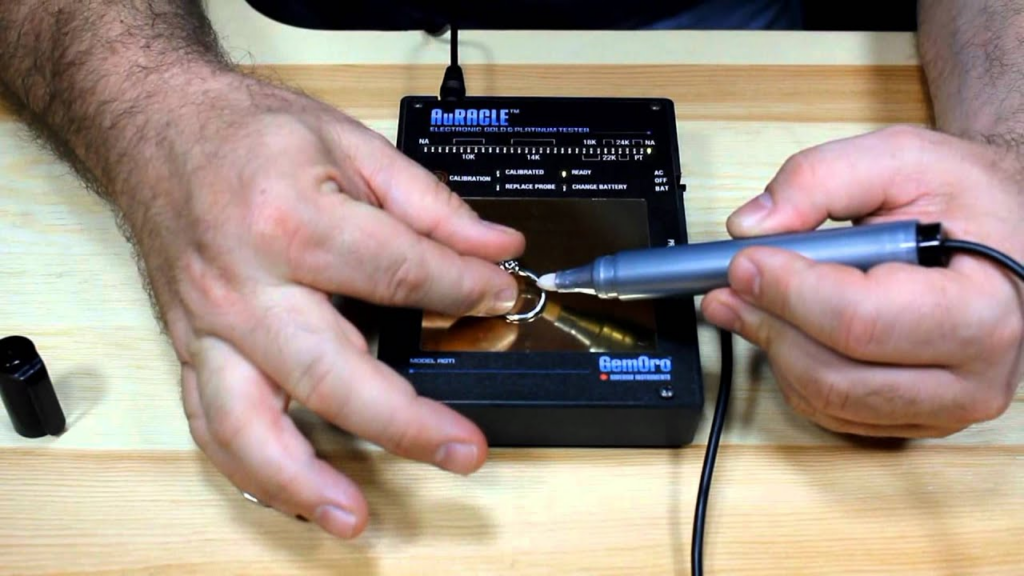
These handheld devices test gold using electrical conductivity since gold conducts electricity differently than other metals due to its atomic structure. The device sends a small current through your piece and measures how the electrical resistance responds, then displays an estimated purity level.
Testing takes 10 to 15 seconds once you place the item correctly, the process is non-destructive without leaving marks, and the devices are small enough to be genuinely portable. The accuracy falls well below XRF testing though, and thick plating can fool electronic testers by conducting electricity similarly to solid gold.
The devices also need regular calibration to maintain even their baseline accuracy, which many small shops don’t bother doing properly. This makes electronic testers useful for quick field checks but ultimately not reliable enough for final authentication of valuable pieces.
Different Types of Fake Gold You Might Encounter
Understanding what counterfeiters actually use helps you spot fakes faster and know which testing methods will catch specific types of fraud.
Gold Plated Items
Gold plating involves coating a base metal like brass or copper with an extremely thin layer of real gold that measures just micrometers thick. The gold layer is genuine but so thin that it contains almost no actual gold by weight, which is why these pieces are essentially worthless despite technically containing some real gold.
XRF testing reveals the true composition immediately by reading through the thin gold layer to the base metal underneath. Gold-plated pieces are worth almost nothing in scrap value, maybe RM20 to RM100 depending on size, which is just the base metal value.
Gold Filled Pieces
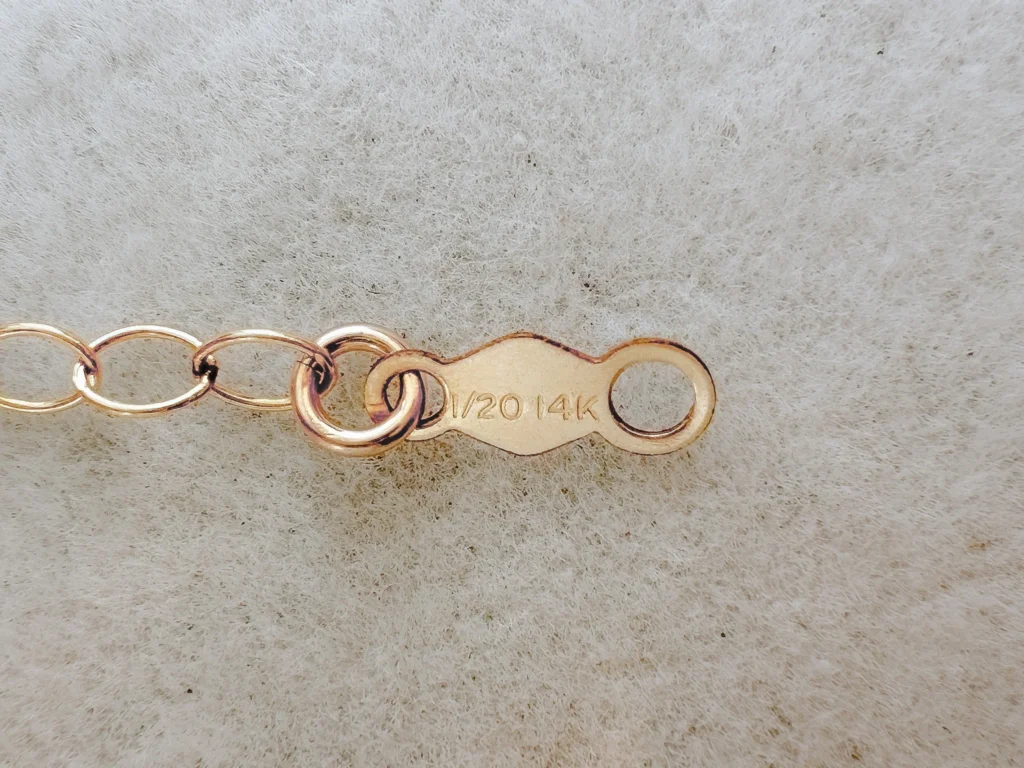
Gold filled jewelry has a much thicker gold layer than standard plating where real gold makes up 5% to 10% of the total item weight. The layer lasts significantly longer than thin plating and can withstand years of regular wear before showing any base metal.
Look for specific markings like “GF” or “1/20 14K GF” stamped on the piece, which legally indicates gold-filled rather than solid. Gold filled items weigh noticeably more than plated pieces but still less than solid gold of identical size, and they’re more durable, lasting decades before wearing through in high-friction areas.
When You’re Still Not Sure After Home Testing
You’ve tried multiple home tests but you’re not fully confident in what you found or the results seem contradictory. Here are your next professional options for getting definitive answers.
Visit a Professional Gold Buyer
This approach gives you the quickest, completely free, definitive answer available in the market.
Bring your item to a reputable gold buying shop where they test it professionally to tell you the exact purity and weight with precision, and explain what those numbers mean in current market value terms.
At AnyGold, we are the most fair and transparent gold sellers in Malaysia. The entire process is completely transparent from start to finish, with absolutely no purchase required or pressure to sell, results come back in two to three minutes, you watch the entire testing process.
We explain the results clearly while calculating current market value based on live gold prices.
Get Professional Verification and Fair Pricing
Visit AnyGold today for free XRF testing that comes with absolutely no purchase obligation or pressure to sell.
We’re located at LG.142, Sungei Wang Plaza, Jalan Sultan Ismail, Bukit Bintang, 55100 Kuala Lumpur, with no appointment needed since we handle walk-ins throughout business hours.
The entire process takes under ten minutes from arrival to leaving with complete information.