Your gold necklace has a tiny stamp that says “916.” Your friend’s bracelet shows “999.” The ring you’re considering online says “750.” Which number indicates better gold?
Which one holds more value when you decide to sell? Which purity should you actually buy?
These numbers determine everything about your gold’s worth, durability, and whether you’re getting a fair price when buying or selling. Understanding gold purity transforms you from someone hoping they’re getting a good deal to someone who knows exactly what they’re paying for and what they’ll receive when it’s time to sell.
This guide breaks down gold purity in clear, practical terms so you can make confident decisions whether you’re buying your first gold piece or preparing to sell inherited jewelry.
What Gold Purity Actually Means
Gold purity tells you the percentage of pure gold versus other metals in any piece you own. Pure gold at 100% is incredibly soft. It bends with hand pressure, scratches easily, and proves completely impractical for jewelry that needs to survive daily wear.
That’s why gold gets mixed with other metals called alloys.
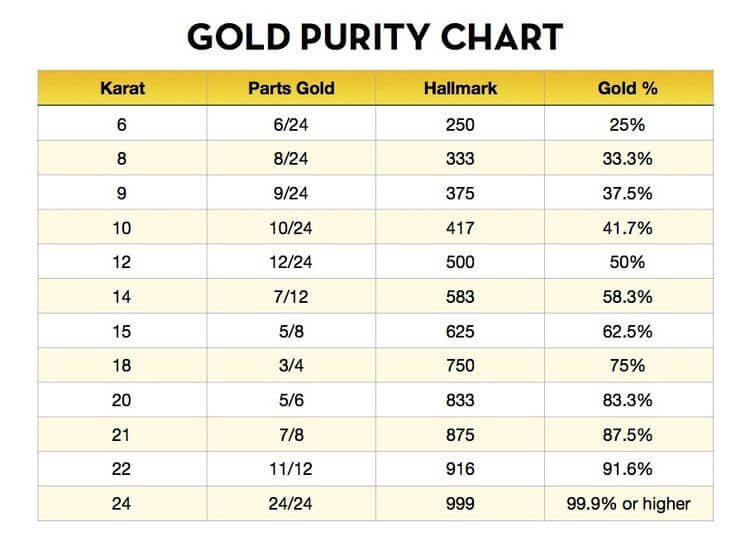
The purity number stamped on your gold shows precisely how much is actual gold. A “916” stamp means 91.6% pure gold, with 8.4% strengthening metals like copper, silver, or zinc.
Think of it this way: pure 999 gold is like butter. Beautiful, valuable, but too soft for everyday use. Mix in some stronger metals, and you get 916 or 750 gold that’s more like hardened clay, still valuable, but practical enough to wear without constant worry.
Why Gold Needs Mixing
Pure 24K gold scratches if you look at it wrong. It dents from minor bumps, bends out of shape under pressure, and can’t hold intricate designs or gemstones securely.
By mixing gold with alloys, you get increased durability for daily wear, better scratch resistance, structural strength for complex designs, and different colour options like white gold or rose gold.
Common alloy metals include copper for strength and warm tones, silver for durability and lighter colour, zinc for hardness, palladium for white gold, and nickel in older pieces.
Understanding the Gold Purity System
999 Gold: The Investment Standard
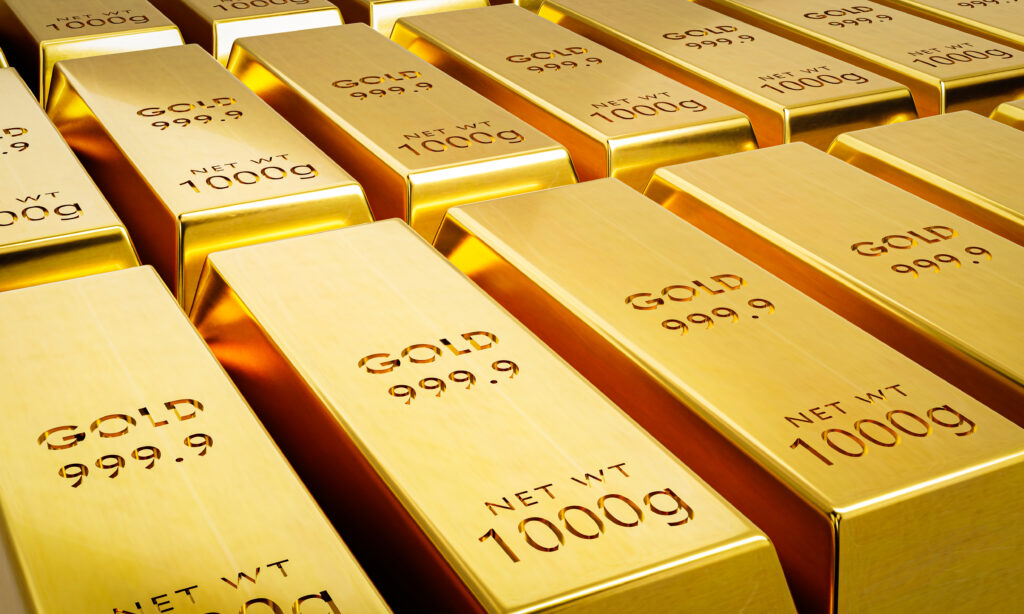
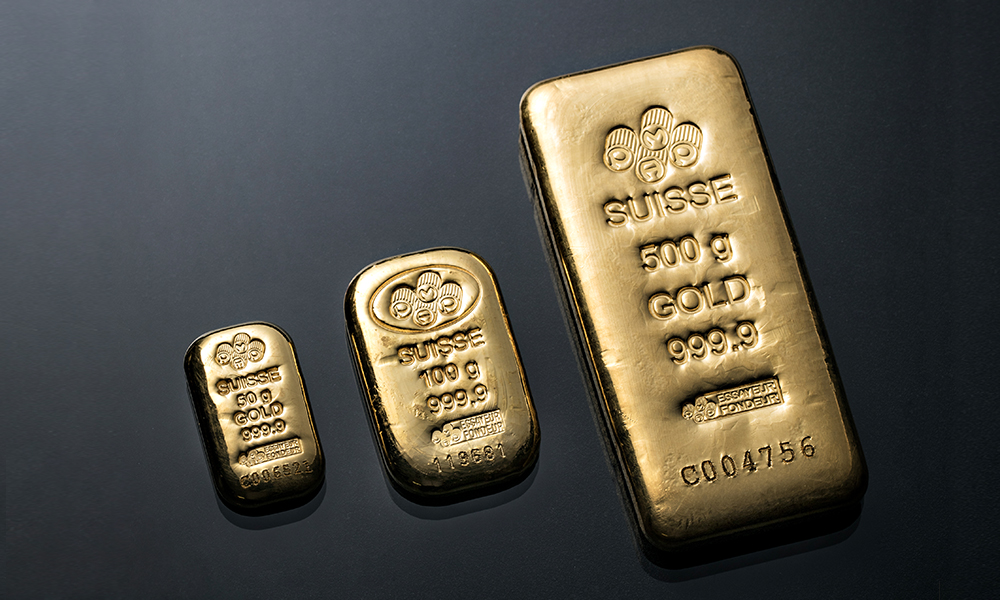
999 gold contains 99.9% pure gold. You’ll also see it marked as 24K, pure gold, or fine gold, which all mean the same thing.
This is the softest gold commercially available. It has that bright, intensely rich yellow colour that screams “real gold.” But softness is a real issue. Scratch it with your fingernail and you might leave a mark.
Where 999 gold shines: Investment gold bars stored in vaults, gold coins like the Dinar meant for wealth storage, religious jewelry worn only on special occasions, and collectors’ pieces valued for purity over wearability.
Who should buy 999: People storing wealth long-term who won’t wear it, anyone wanting nearly 100% of their money in actual gold, buyers seeking maximum international resale flexibility.
916 Gold: Malaysia’s Favorite
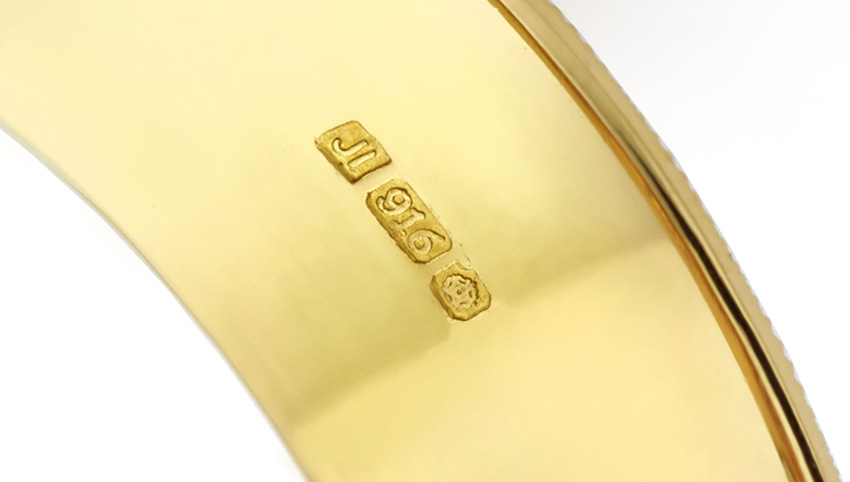
916 gold hits the sweet spot. It’s 91.6% pure gold with 8.4% alloys, known as 22K gold internationally.
The colour leans slightly warmer than pure gold due to copper in the mix, creating that rich yellow tone many prefer. Durability jumps significantly compared to 999, making it practical for pieces you’ll actually wear.
Where 916 gold are found: Necklaces and chains for regular wear, bracelets and bangles that handle daily activity, wedding jewelry meant to last decades, traditional pieces combining value with wearability.
Who should buy 916: Anyone wanting to wear their investment, buyers following cultural preferences for Malaysian weddings, people seeking high gold content with real-world durability, anyone gifting pieces meant to be both beautiful and practical.
Why people love 916: Cultural tradition spanning generations, purity high enough for serious value retention, durability for everyday wear without repairs, lower cost than 999 making larger pieces affordable, universal acceptance when selling 916 gold in Malaysia.
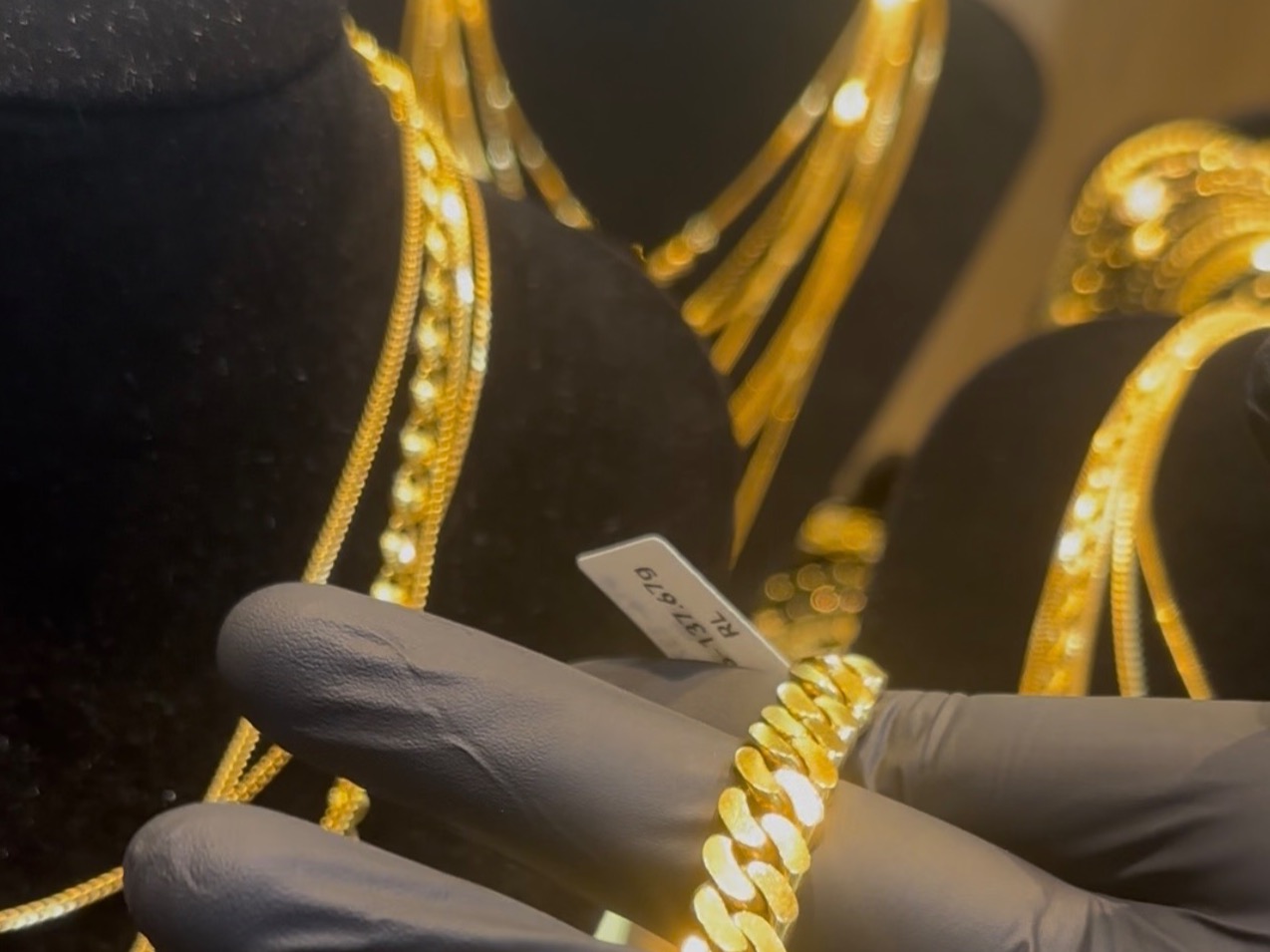
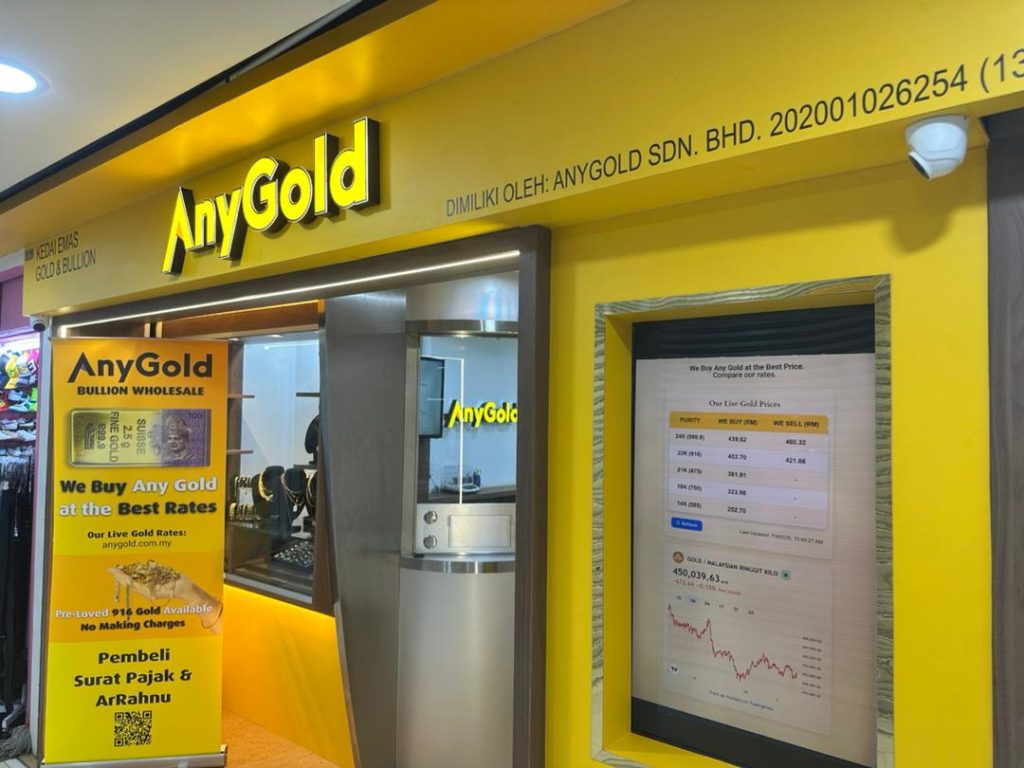
Interested to know how much you can sell your 916 or 999 Gold for? Check out our live markets rates today!
750 Gold: The International Standard
750 gold contains 75% pure gold, known worldwide as 18K or fine gold. This is where durability really kicks in.
You can get 750 in yellow, white, or rose gold variations. It holds intricate gemstone settings beautifully, resists scratches better than higher purities, and serves as the standard for fine jewelry across Europe and America.
Where you can most commonly find 750 gold are in engagement rings for lifetime wear, designer jewelry, white gold pieces where alloys create the silver appearance, and complex design pieces with multiple gemstones.
People who are active and want jewelry that survives impacts or anyone prioritizing durability over maximum purity, with diamonds or gemstones are the ones that tend to buy 750 gold.
585 Gold: Budget-Friendly Durability
585 gold is 58.5% pure, also called 14K. This is where affordability meets real gold ownership.
Very hard and durable, significantly cheaper than higher purities, good scratch resistance, slightly lighter colour than 916 or 750. Common in fashion jewelry and everyday pieces.
Who should buy 585: Budget shoppers wanting real gold, buyers needing trendy pieces without major investment, parents buying children’s jewelry that gets outgrown, anyone requiring maximum durability.
375 Gold: The Minimum Standard
375 gold contains just 37.5% gold—the legal minimum to be called “gold” in many countries. It’s 9K purity.
Extremely hard and durable, lowest gold value per gram, colour appears more pale or faded.
Less common in Malaysia where buyers typically prefer 916 minimum.
How to Check Gold Purity Before Buying or Selling
XRF Testing Technology
Walk into any reputable gold buyer and ask for XRF testing. This is the gold standard for accuracy.
The machine shoots X-rays at your gold, reads the unique signature gold atoms emit, and calculates exact purity in seconds. You get readings like 916.4 instead of rough estimates.
Why XRF wins: Completely non-destructive with zero damage, precise results in 2-3 seconds, you watch the entire process, and detect gold under plating.
At AnyGold, XRF testing is free. No purchase required, no obligation, just walk in and get tested.
Traditional Acid Testing
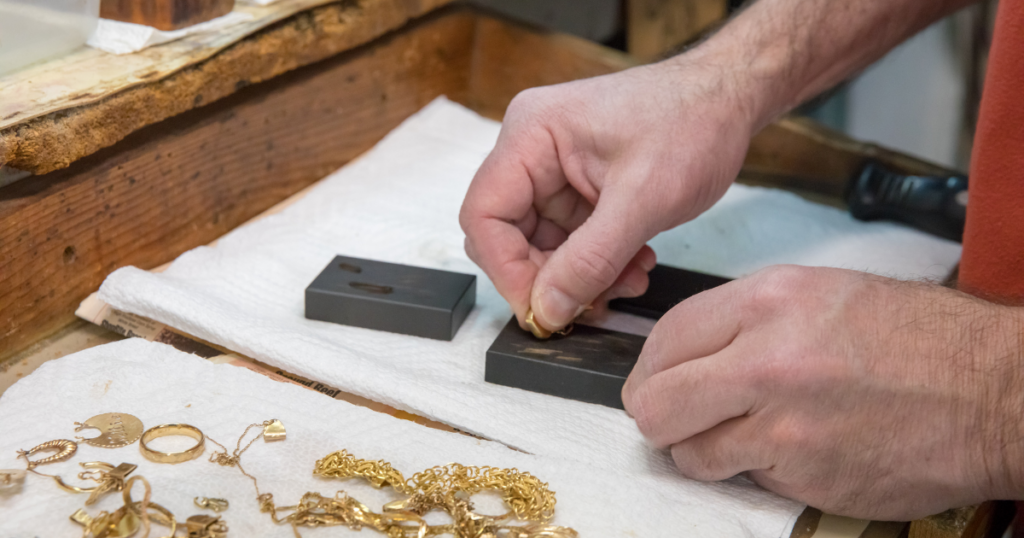
The old-school method involves creating a small scratch on your piece, then applying different strength acids to watch the reaction.
Pure gold doesn’t react to nitric acid. Lower purity shows some dissolution or colour change. Fake gold fizzes and changes dramatically.
Pros: Cheap equipment, fast results in 2-5 minutes, accurate when done correctly.
Cons: Leaves a permanent scratch, requires skill to interpret, involves corrosive chemicals.
Still used by traditional shops and pawn shops, but not ideal for valuable pieces.
How to Measure Purity of Gold: Density Testing
Advanced testing uses density measurements since different purities weigh differently for identical volumes.
- 24K gold: 19.3 g/cm³
- 18K yellow: 15.5 g/cm³
- 14K yellow: 13.5 g/cm³
Higher purity means denser, heavier gold. But this method needs experience and calibrated equipment—not reliable for home testing.
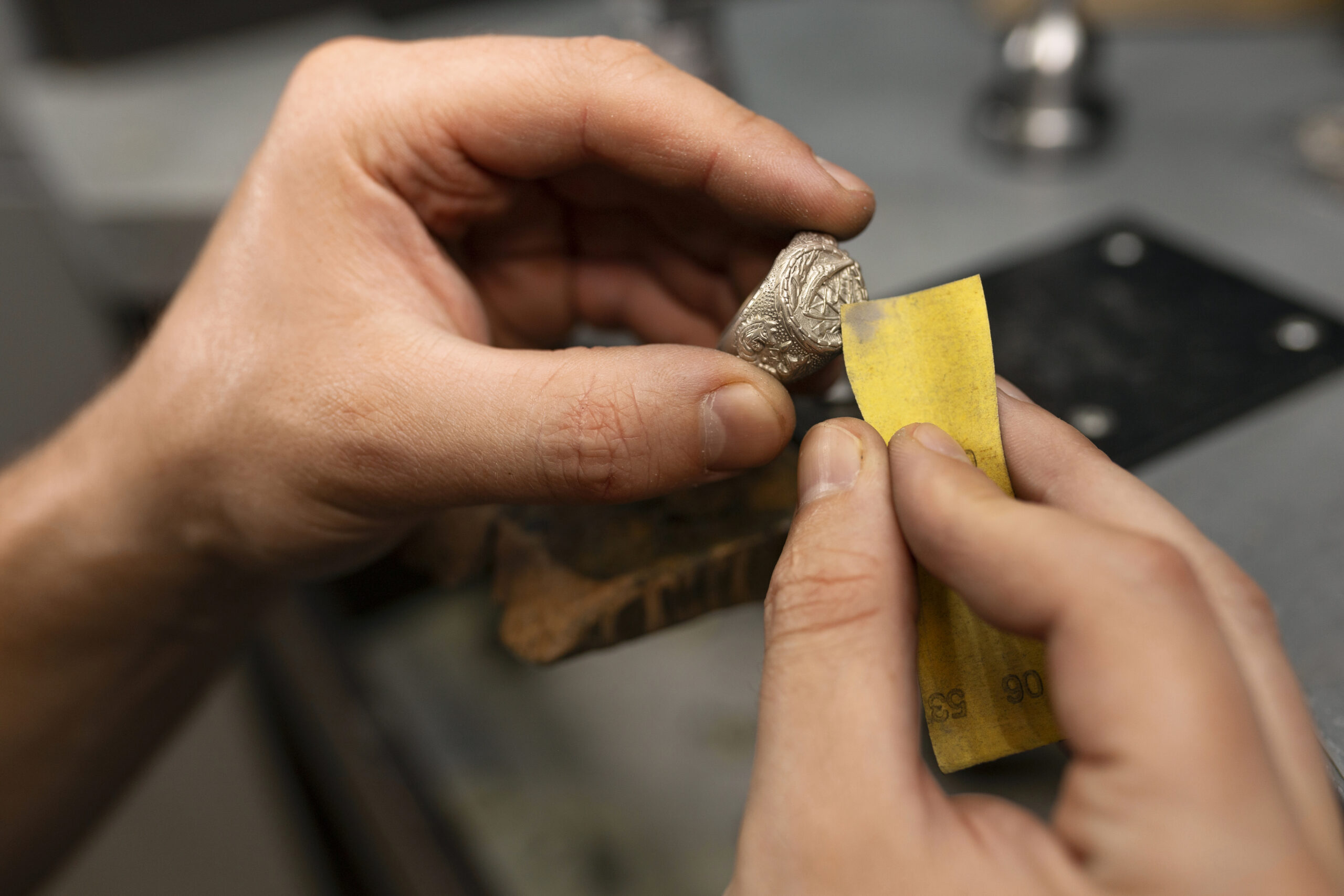
Check out our guide to identify whether your gold is the real deal!
Choosing the Right Purity for Your Needs

For Pure Investment
Buy 999 gold bars if you’re storing wealth long-term. You get maximum gold content per ringgit, pricing closest to spot rates, easiest international resale, no workmanship charges.
Perfect for vault storage, emergency savings, generational wealth, maximum resale flexibility.
For Wearable Investment
Choose 916 gold jewelry when you want to enjoy your investment. High purity at 91.6% retains value, durability allows regular wear, cultural acceptance ensures easy resale, balance of beauty and practicality.
Best for necklaces, bracelets, wedding pieces, and traditional jewelry.
For Daily Wear Rings
Pick 750 gold for engagement or wedding rings. Survives decades of constant wear, holds gemstones securely, resists scratches and bending, industry standard for good reason.
For Fashion Jewelry
Go with 585 or 750 for trendy pieces. Lower cost for temporary trends, still real gold not plating, durable for regular wear, acceptable resale value.
GET IN TOUCH